 Skip to content

Why Restaurant Construction Schedules Are Often Compressed
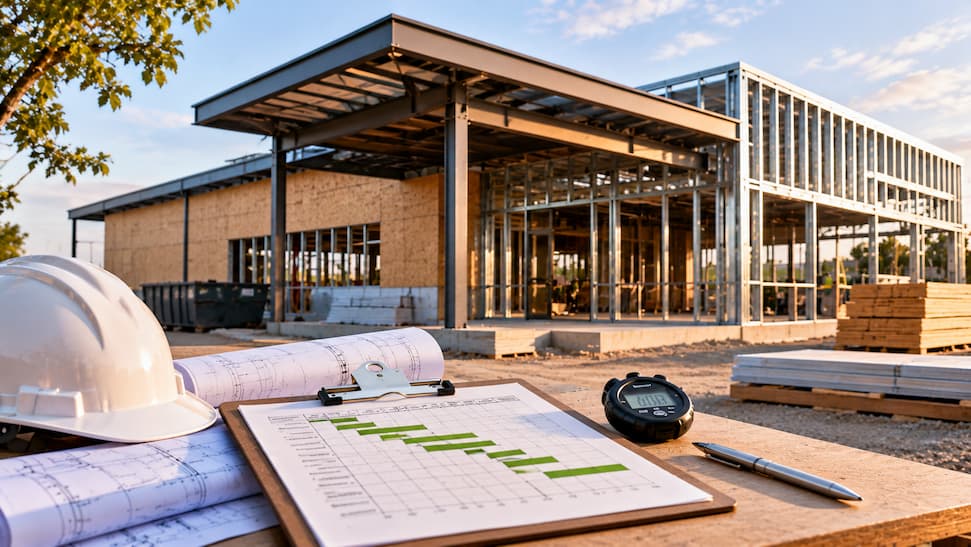
Restaurant construction rarely follows the same scheduling patterns as other commercial projects.
Retail centers, medical offices, and educational facilities often move forward with longer planning and construction timelines. Restaurant development, on the other hand, is frequently tied to very specific opening targets.
What Makes Restaurant Schedules Different
Lease commencement dates, franchise launch schedules, and seasonal market opportunities can all influence when a restaurant needs to open its doors.
Because of these pressures, restaurant construction schedules are often compressed compared to other types of commercial construction in Texas.
Developers who understand the factors behind these compressed timelines are better prepared to coordinate construction planning effectively.
Over decades as a commercial general contractor in Texas, we’ve found that the schedule pressure itself is rarely the problem. What matters is whether the plan behind it reflects how restaurant projects are actually built, from the shell to the final inspection.
Opening Dates Often Drive the Entire Schedule
Restaurant development timelines are frequently tied directly to business objectives. These may include:
- Franchise rollout schedules
- Investor commitments
- Seasonal market timing
- Lease commencement dates
- Coordinated marketing launches
Unlike some other commercial developments, restaurant projects often have a fixed opening window that cannot easily shift. As a result, construction schedules are frequently designed to support that opening target.
Tenant Buildouts Must Follow Shell Construction
As discussed in our article on hand-in-glove restaurant development [add internal link to the hand-in-glove article], many restaurant projects today begin with a developer constructing a shell building while the tenant completes the interior buildout.
Because of this model, the tenant buildout typically cannot begin until several steps are completed:
- Shell construction
- Utility infrastructure installation
- Building inspections
- Certificate of occupancy for the shell structure
Once the tenant buildout begins, the construction timeline must often move quickly to meet the restaurant’s opening schedule.
This transition from shell construction to tenant buildout is one of the reasons restaurant schedules can feel compressed.
How Jurisdictions View Shell and Tenant Construction
In many Texas jurisdictions, the relationship between shell construction and tenant buildouts can influence when interior work is allowed to begin.
When the same general contractor is responsible for both the shell construction and the tenant finish, many jurisdictions are comfortable allowing interior construction to begin before the shell building receives its final Certificate of Occupancy.
Because the same contractor maintains responsibility for the entire construction sequence, inspectors often have greater confidence in how the work will be coordinated and controlled.
When the shell construction and tenant finish are handled by different contractors, jurisdictions sometimes take a more cautious approach. In those situations, interior construction may not begin until the shell building has received its Certificate of Occupancy, depending on the jurisdiction and the authority having jurisdiction (AHJ).
That difference in coordination can significantly influence how quickly restaurant tenant buildouts are able to begin after shell construction is completed.
Confirming Requirements With the AHJ Early
Because these rules vary from one city to the next, it helps to confirm with the authority having jurisdiction early in planning whether interior work can begin before the shell is complete. Knowing the answer in advance lets the development team set a realistic tenant start date and sequence inspections around it.
As a commercial general contractor in Texas, we often raise this question during preconstruction, because the answer can meaningfully shift the path to opening day.
Kitchen Equipment Coordination
Restaurant interiors involve specialized equipment that must be installed in a specific sequence. This often includes:
- Hood and ventilation systems
- Cooking equipment
- Refrigeration systems
- Mechanical equipment
- Fire suppression systems
Because these systems interact with multiple trades, coordination becomes especially important during the interior construction phase. Even small adjustments in equipment specifications can influence construction sequencing.
Why Equipment Lead Times Belong in the Schedule
Specialized restaurant equipment is often ordered well before it is needed on site. Hoods, fire suppression components, and refrigeration packages can carry long lead times, and a late delivery can hold up every trade that depends on it.
Confirming the equipment package early allows the construction schedule to be built around actual delivery dates, so installation, inspections, and start-up line up with the opening target rather than chasing it.
Inspections and Approvals
Restaurant projects often involve more inspection stages than other retail developments. These may include:
- Building inspections
- Fire department review
- Health department approvals
- Grease interceptor inspections
- Ventilation system approvals
Each inspection stage must occur in sequence before the restaurant can open. When opening timelines are fixed, construction teams must carefully coordinate work so inspections occur without delays.
Tenant Design Changes
Restaurant operators occasionally refine their interior layout as equipment packages or operational plans evolve. While these changes are often minor, they can still affect:
- Utility connections
- Kitchen layout
- Equipment placement
When adjustments occur late in the buildout process, the construction team must adapt quickly to maintain the schedule.
In our experience, the earlier the kitchen layout and equipment package are confirmed, the less these refinements affect the critical path to opening.
A Pattern We Often See
Across restaurant developments in Texas, the transition between shell construction and tenant buildout often determines how smoothly the schedule progresses.
On projects where the same contractor manages both the shell building and the tenant finish, interior construction can often begin sooner because the construction team already understands the building structure, site utilities, and inspection sequence. In many jurisdictions, that continuity also gives inspectors greater confidence in how the work will be coordinated.
When the shell contractor and tenant contractor are different companies, additional coordination is often required before interior work begins. That extra transition can sometimes slow the start of tenant construction, particularly when inspections, jobsite responsibility, and construction sequencing need to be clarified between multiple parties.
This is one reason many developers and restaurant tenants prefer a hand-in-glove approach, where the same contractor manages both phases of construction.
Why Coordination Matters
Compressed schedules do not necessarily create problems. Many restaurant projects open successfully on aggressive timelines.
What makes the difference is how well the development team coordinates:
- Shell construction
- Tenant buildout
- Equipment installation
- Inspection scheduling
When these elements are aligned early, construction teams can maintain progress even under tight schedules.
The Bigger Picture
Restaurant construction represents a unique segment of retail and restaurant construction in Texas.
Opening schedules are often tied directly to business strategy, which naturally creates time pressure during construction.
Developers who understand these dynamics early can plan construction schedules that align with operational goals while maintaining realistic expectations.
Final Thought
Restaurant construction schedules often feel compressed because opening dates are tied directly to business plans.
When developers, tenants, and construction teams coordinate early, especially during shell construction and tenant buildout planning, projects are far more likely to move toward opening day without unnecessary disruption.
The goal is not simply speed, but coordination that allows the schedule to move forward with confidence.
Developer Conversation
If you’re planning restaurant development in Texas and want to discuss construction scheduling, shell coordination, or tenant buildout planning, those conversations are often most valuable early in the process.
Wyatt Management has supported commercial construction in Texas for decades, including retail and restaurant construction in Texas as well as medical and educational facilities.
We’re always open to discussing development plans and sharing perspective based on our experience working on commercial development projects across Texas.
No pressure. Just clarity.
Frequently Asked Questions
Why are restaurant construction schedules so tight?
Because restaurant opening dates are usually tied to business commitments. Lease commencement dates, franchise rollout schedules, investor commitments, seasonal market timing, and marketing launches can all set a fixed opening window. Construction schedules are then built backward from that date, which leaves less room for delays than many other commercial projects.
What is the difference between shell construction and a tenant buildout?
Shell construction delivers the building itself: the structure, exterior, and core site utilities. The tenant buildout, sometimes called the tenant finish, turns that shell into a working restaurant, including the kitchen infrastructure, hood and ventilation systems, equipment, and interior finishes. In most Texas jurisdictions, the shell and each tenant space are permitted separately.
Can a restaurant tenant buildout start before the shell building is complete?
It depends on the jurisdiction. When the same general contractor handles both the shell and the tenant finish, many jurisdictions allow interior work to begin before the shell is finaled. When different contractors are involved, interior work may have to wait. Some Texas cities issue a Certificate of Completion for a shell rather than a Certificate of Occupancy, so it is worth confirming the exact sequence with the AHJ early.
What is hand-in-glove restaurant development?
It is a development approach where a developer builds the shell building while the restaurant tenant completes the interior buildout, with the two phases closely coordinated. Many developers and tenants prefer to have the same contractor manage both phases, so the transition from shell to tenant construction happens with fewer handoffs.
Is it better to use the same contractor for the shell and the tenant buildout?
In many cases, yes. Working with one commercial general contractor in Texas for both phases means the team already understands the structure, site utilities, and inspection sequence. It can also allow interior work to start sooner, because many jurisdictions have greater confidence when one contractor is responsible for the full construction sequence.
How long does a restaurant tenant buildout take?
It depends on the size of the kitchen, the equipment package, the permitting process, and how ready the shell is when the tenant takes over. Quick-service and fast-casual buildouts are generally shorter than full-service ones. Often the bigger factors are what happens before work starts: shell completion, permits, and equipment lead times.
What causes delays in restaurant construction?
The most common causes are late changes to the kitchen layout or equipment package, long equipment lead times, inspections that fall out of sequence, and a slow handoff between shell construction and the tenant buildout. Most of these can be reduced by confirming equipment, utilities, and inspection requirements early in the process.
How can developers protect a restaurant opening date?
By coordinating early. Aligning shell construction, the tenant buildout, equipment installation, and inspection scheduling before construction begins gives the team a realistic path to opening. Confirming the AHJ’s requirements for starting interior work, and locking in the equipment package early, removes two of the biggest sources of schedule risk.
Recent Commercial Lean Construction Projects in Texas
Wyatt Management has delivered lean-focused commercial work across Texas, including:
-
 Restaurant remodels and buildouts
-
Retail tenant improvements
-
Educational renovations
-
Health & Fitness upgrades
-
Automotive interior projects