 Skip to content
WHAT MAKES BUILDING IN AUSTIN DIFFERENT AND MORE COMPLICATED
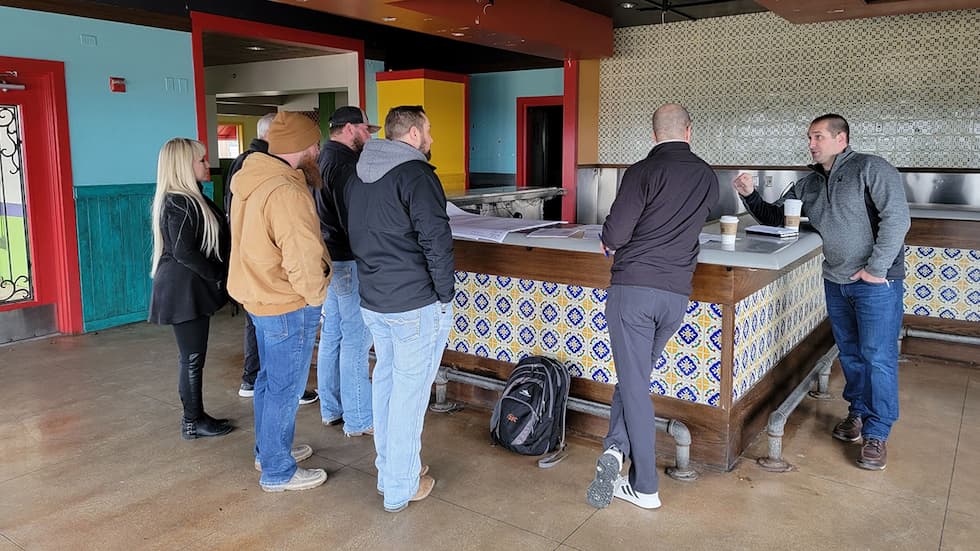
Austin is one of the strongest development markets in Texas.
Growth, jobs, investment, and continued migration have created real opportunity for retail, restaurant, mixed-use, and commercial projects across Central Texas.
But Austin does not behave like every other Texas market.
A site that looks straightforward at first glance can become more complex once environmental rules, topography, utilities, and review timelines are fully understood.
That is not a negative. It is simply part of building in Austin.
At Wyatt Management, we’ve seen the projects that move best usually understand those realities early.
1. Watersheds and Environmental Rules Matter Early
In some Texas markets, environmental review may feel secondary.
In Austin, it often influences the project from the beginning.
Depending on location, a site may involve:
- Impervious cover limits
- Stormwater quality requirements
- Watershed protections
- Buffer zones
- Additional site planning constraints
Two similar sites can produce very different yields depending on where they sit.
That is why site diligence in Austin starts earlier than many expect.
2. Trees Can Shape the Site Plan
Austin’s tree protection standards can materially affect development layout.
Protected trees may require:
- Preservation during construction
- Changes to building placement
- Parking reconfiguration
- Relocation approvals
- Mitigation measures
This is not just landscaping.
Sometimes the tree plan becomes part of the site economics.
3. Central Texas Terrain Is Different
Austin-area sites are often less forgiving than flatter regions of Texas.
Developers may encounter:
- Slopes
- Elevation changes
- Rock excavation
- Retaining needs
- More complex drainage solutions
That can affect:
- Grading budgets
- Foundations
- Accessibility routes
- Parking efficiency
- Overall schedule
A site may be beautiful and still expensive to develop.
4. Utilities Need to Be Confirmed Early
Utility assumptions can derail schedules quietly.
Depending on the project, early diligence may need to confirm:
- Water capacity
- Wastewater availability
- Routing constraints
- Easements
- Coordination with multiple providers
A strong location without utility clarity is still an incomplete deal.
5. Review Timelines Need Realism
Austin’s continued growth means review cycles can vary depending on:
- Project complexity
- Municipal workload
- Environmental review layers
- Department coordination
- Current development volume
That does not stop projects.
But it should influence schedules honestly.
Aggressive timelines unsupported by approvals usually become expensive timelines later.
A Pattern We See Often
We’ve seen Central Texas retail projects where watershed limitations, tree preservation, or grading realities required redesign early in the process.
The projects still moved forward successfully.
But they moved smoother when those realities were acknowledged upfront instead of discovered late.
That is usually the difference.
Questions Worth Asking Early
Before pushing design too far on an Austin-area site, it helps to know:
- What overlays or watershed rules apply?
- Are protected trees present?
- How much grading or rock work is likely?
- Are utilities fully confirmed?
- What approval timeline is realistic?
- How do these factors affect yield and budget?
Those answers save time.
Final Thought
Austin remains one of the best growth markets in Texas.
But it rewards teams who understand that environmental protections, terrain, utilities, and approvals are not side issues. They are project drivers.
The earlier those realities are understood, the smoother projects tend to move from site selection to construction.
Recent Commercial Lean Construction Projects in Texas
Wyatt Management has delivered lean-focused commercial work across Texas, including:
-
 Restaurant remodels and buildouts
-
Retail tenant improvements
-
Educational renovations
-
Health & Fitness upgrades
-
Automotive interior projects