 Skip to content
HOW MUCH DOES IT COST TO BUILD A RETAIL CENTER IN TEXAS?

Retail development is active across Texas, and we continue to see new opportunities in Houston, Dallas-Fort Worth, and Central Texas.
One of the first questions developers ask is simple:
How much does it cost to build a retail center in Texas? The honest answer is: it depends.
Size matters. Site conditions matter. Tenant mix matters. Infrastructure matters. And in many cases, those factors influence cost more than the building itself.
After years working on retail construction projects across Texas, a few patterns show up again and again.
This is not a pricing formula. It is what experience tends to teach you.
Typical Retail Construction Cost Ranges in Texas
Every project is different, but many retail centers tend to fall within ranges like these:
| Retail Type | Typical Range |
| Neighborhood Retail Shell | $200-$350 / SF |
| Multi-Tenant Retail Shell | $225-$375 / SF |
| Retail Pad Site Building | $250-$425 / SF |
| Restaurant / Specialty Build-Out | $300-$650+ / SF |
These ranges can move depending on site work, utilities, design, and tenant requirements. They are starting points-not guarantees.
1) Site Work Often Drives More Cost Than Expected
A lot of budget pressure begins outside the building.
Earthwork, utilities, detention, paving, access drives, grading, and site lighting can become major cost drivers early.
In Houston, drainage and detention can significantly affect usable land.
In North Texas, city standards may shape parking layouts, fire lanes, and circulation.
Before vertical construction begins, much of the budget may already be moving.
2) Tenant Mix Changes Everything
Retail centers are rarely made up of identical tenants.
One project may include:
- Restaurants
- Retail Stores
- Medical Users
- Service Businesses
Each comes with different needs.
Restaurants often require grease interceptors, larger utilities, gas service, and ventilation. Medical users may need more mechanical and electrical coordination. Service users may need customized layouts.
That mix can affect shell planning from day one.
3) Design Choices Add Up Quickly
Retail centers need to perform well-but they also need to lease well.
That often creates a balance between cost and appearance. Common drivers include:
- Façade Materials
- Storefront Systems
- Canopies
- Structural Design
- Roofing Systems
- Pedestrian Features
None of these are wrong places to spend money. They just need to be intentional.
4) Every City Has Its Own
Requirements: There is no universal Texas playbook. Each municipality reviews projects differently.
Frisco is not McKinney. McKinney is not Fort Worth. Houston has its own coordination process.
Central Texas often brings added site considerations. The projects that move more smoothly usually account for that early.
5) Shell Cost Is Only Part of the Story
Developers sometimes focus on shell pricing first, which makes sense. But tenant improvements can quickly become a major second phase of cost. Restaurants, medical tenants, and specialty users often require significant interior scope beyond the shell. Looking at only shell numbers can create an incomplete budget picture.
A Pattern We Often See
Projects that appear straightforward early can shift once civil review, utility coordination, access requirements, or tenant needs are fully understood.
That does not mean the project is in trouble.
It usually means the real project is now visible.
Early coordination is what turns that into progress instead of surprise.
What It Comes Down To
Retail construction costs vary because retail projects vary.
But the developments that perform best usually have clarity early:
- Realistic site expectations
- Realistic tenant assumptions
- Realistic budgets
- Realistic schedules
When those pieces are aligned, construction becomes much more predictable.
Final Thought
Texas continues to be a strong market for retail development. But successful projects are not just built on good corners and growing trade areas. They are built on early understanding.
The more clarity you create up front, the smoother everything else tends to go. If You Are Evaluating a Retail Project.
If you are looking at a retail development in Texas and want to talk through site conditions, budgeting, or project planning before things move too far forward, those conversations are often most valuable early.
Recent Commercial Lean Construction Projects in Texas
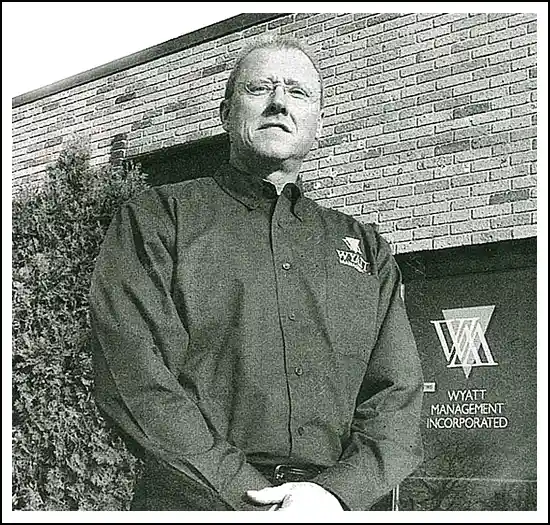
Wyatt Management has delivered lean-focused commercial work across Texas, including:
-
 Restaurant remodels and buildouts
-
Retail tenant improvements
-
Educational renovations
-
Health & Fitness upgrades
-
Automotive interior projects